
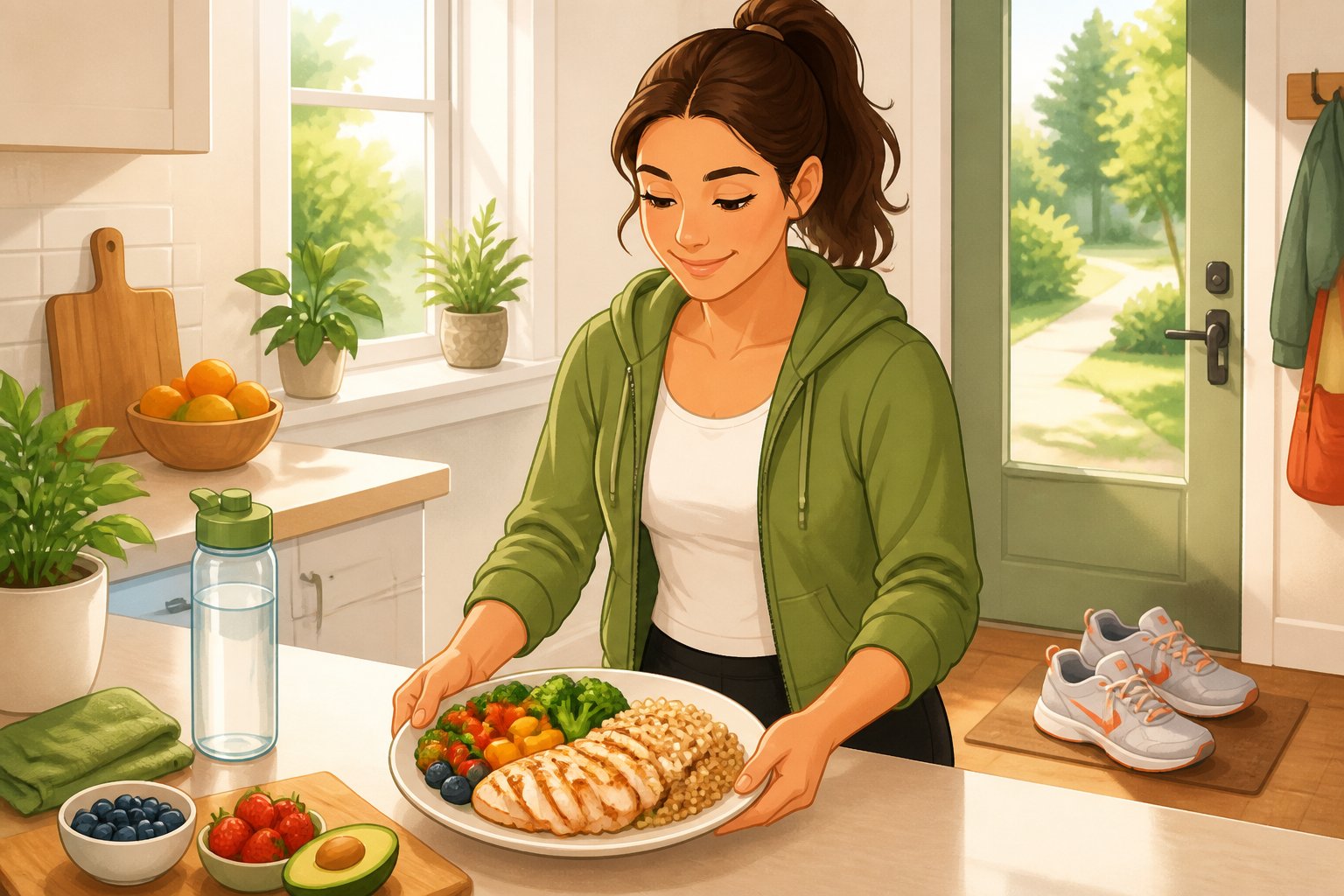
Walking is one of the easiest ways to start losing weight because it does not require a gym, a perfect schedule, or complicated equipment. But what you eat after a walk can make the habit easier to repeat. The goal is not to “earn” food with exercise. The goal is to refuel in a way that helps you feel satisfied, recover well, and stay consistent tomorrow.
If you finish a walk starving and grab the first snack you see, the walk may not help as much as it could. If you finish a walk and skip food until you feel drained, that can backfire too. A simple post-walk meal gives beginners a steady middle ground.
Quick answer
After a normal beginner walk, eat a balanced meal or snack with protein, high-fiber carbohydrates, fruits or vegetables, and water. A good example is Greek yogurt with berries, eggs with whole-grain toast, chicken with rice and vegetables, tuna on whole-grain crackers, or cottage cheese with fruit. If your walk was short and easy, you may only need your next regular meal.
Do you need to eat right after walking?
For most beginner walks, you do not need a special recovery shake. If you walked for 10 to 30 minutes at a comfortable pace, your normal meal schedule is usually fine. If your next meal is within an hour or two, build that meal well and call it good.
You may want a small snack sooner if you walked longer than usual, walked before breakfast, felt shaky, or know you tend to overeat later when you wait too long. The helpful question is not “what burns the most fat?” It is “what keeps me feeling good enough to keep doing this?”
Build the simple post-walk plate
A beginner-friendly plate does not have to be tracked gram by gram. The USDA MyPlate approach is a useful visual: include fruits or vegetables, grains, protein foods, and dairy or a calcium-rich alternative when it fits your diet. For weight loss, the easiest upgrade is usually making the meal more filling without making it extreme.
- Protein: eggs, Greek yogurt, cottage cheese, chicken, fish, tofu, beans, lentils, lean beef, turkey, or protein powder if you already use it.
- High-fiber carbohydrates: oats, potatoes, sweet potatoes, brown rice, whole-grain bread, beans, fruit, or whole-grain wraps.
- Color: berries, apples, bananas, salad, tomatoes, peppers, carrots, broccoli, spinach, or frozen vegetables.
- Fluids: water is enough for most beginner walks. Save electrolyte drinks for longer, hotter, sweatier sessions unless a clinician tells you otherwise.
Post-walk meal ideas for weight loss
These meals are simple on purpose. You should be able to repeat them on busy days without needing a new recipe every time.
- Greek yogurt bowl: plain Greek yogurt, berries, oats, cinnamon, and a small handful of nuts.
- Egg toast plate: two eggs, whole-grain toast, fruit, and spinach or tomatoes.
- Chicken rice bowl: chicken, rice, frozen vegetables, salsa, and avocado or olive oil.
- Tuna snack plate: tuna, whole-grain crackers, cucumber slices, and fruit.
- Bean burrito bowl: beans, rice, lettuce, peppers, salsa, and Greek yogurt instead of sour cream.
- Smoothie with structure: protein source, fruit, spinach, milk or unsweetened soy milk, and ice. Avoid turning it into a dessert with several calorie-dense extras.
Prefer to prep lunch ahead of your walk? These lemon chicken-rice bowls make four ordinary meals with chicken, rice and vegetables. You do not need a special recovery meal after a comfortable walk.
If you walk in the morning
Morning walkers often do best with a breakfast that includes protein and fiber. That could be eggs and toast, overnight oats with Greek yogurt, cottage cheese with fruit, or a protein smoothie. If you are not hungry right away, drink water and eat when your normal appetite shows up.
The mistake is doing a solid walk, drinking only coffee, then crashing into a huge snack later. If that pattern sounds familiar, plan a small breakfast before hunger gets loud.
If you walk after dinner
If dinner already had protein, vegetables, and a reasonable carbohydrate source, you probably do not need another meal after a short evening walk. Drink water and move on. If dinner was light and you are hungry, choose a simple snack such as yogurt, fruit with peanut butter, cottage cheese, or a boiled egg with fruit.
Evening walks can be useful because they give you something to do after dinner besides grazing. A short walk can also become a calming routine that supports sleep and consistency.
Common mistakes to avoid
- Drinking calories you did not need: sports drinks are often unnecessary for short beginner walks.
- Skipping protein: protein helps meals feel more satisfying and supports muscle repair from your overall training routine.
- Reward eating: a walk is healthy, but a large dessert “because I exercised” can erase the calorie gap you were building.
- Going too low calorie: trying to survive on tiny meals usually creates cravings and inconsistent follow-through.
Match the meal to the walk
Not every walk needs the same food response. A 12-minute easy walk around the block is different from a 70-minute hilly walk in warm weather. Beginners often make this harder than it needs to be, so use the size of the walk as your guide.
- Short easy walk: drink water and eat your next normal balanced meal.
- Longer walk: include protein and a carbohydrate source at your next meal, such as eggs and toast or chicken and rice.
- Hot sweaty walk: prioritize water and salty foods at your next meal if you sweat heavily.
- Walk before breakfast: choose a simple breakfast with protein and fiber so the rest of the day starts steady.
- Walk before dinner: build dinner around a full plate instead of grazing while cooking.
A cheap grocery list for post-walk meals
You do not need expensive “fitness food” to eat well after walking. Most of the best options are normal groceries. Keep a few protein and fiber staples around so you are not relying on motivation when hunger shows up.
- Eggs, Greek yogurt, cottage cheese, canned tuna, canned beans, lentils, tofu, or rotisserie chicken.
- Oats, potatoes, rice, whole-grain bread, whole-grain wraps, or frozen fruit.
- Frozen vegetables, bagged salad, apples, bananas, berries, carrots, or broccoli.
- Salsa, hot sauce, cinnamon, mustard, herbs, lemon, or low-sugar sauces for flavor.
The real skill is making the healthy choice easier than the random choice. If you know your post-walk meal before you put your shoes on, you remove one decision from a busy day.
What to do today
Pick one repeatable meal for after your next walk. Do not make it perfect. Make it useful. A strong starter option is Greek yogurt, berries, oats, and water. If you prefer savory food, try eggs, toast, and fruit. Once you have one meal that works, repeat it until it becomes automatic.
For the walking plan itself, read Walking for Weight Loss: A 7-Day Beginner Plan. For a simple plate-building system, start with How to Build a Beginner Weight Loss Plate Without Counting Every Calorie.
FAQ
Is it bad to eat after walking if I want to lose weight?
No. Eating after walking is not bad. The key is choosing a meal or snack that fits your overall day and helps you avoid rebound hunger. A balanced plate usually works better than trying to ignore hunger until you overdo it later.
Do I need a protein shake after walking?
Usually not. A protein shake can be convenient, but normal foods work too. Greek yogurt, eggs, tuna, tofu, beans, chicken, and cottage cheese can all fit a post-walk meal.
This article is for general education only and is not medical advice. If you have diabetes, kidney disease, a history of disordered eating, or another medical condition that affects food or exercise choices, talk with a qualified healthcare professional.
Sources and further reading
- USDA MyPlate
- CDC: Adult Physical Activity Guidelines
- MedlinePlus: Nutrition and Athletic Performance
- Mayo Clinic: Eating and Exercise
- FitnessFuelDaily Medical Disclaimer
Leave a Reply