
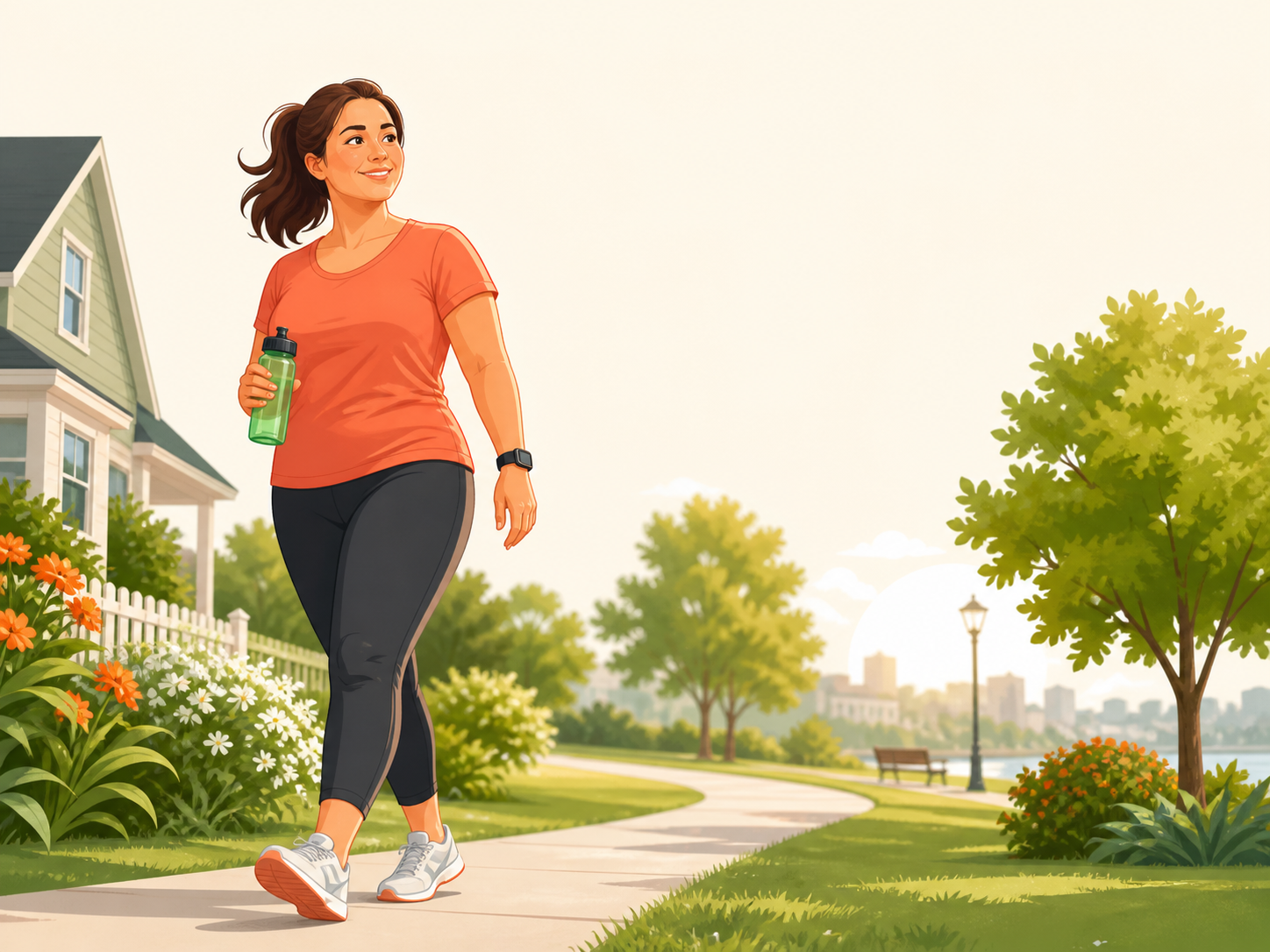
Walking for weight loss is not flashy, but that is exactly why it works for beginners. You do not need a gym membership, a perfect schedule, or a brutal workout to start building momentum. You need a repeatable plan that helps you move more often without burning yourself out.
The goal is simple: turn walking into a daily habit, slowly increase the total time you spend moving, and pair that habit with basic nutrition and recovery choices. If you are brand new, that is enough to begin changing your energy, confidence, and consistency.
Quick answer
Start with 10 to 20 minutes of comfortable walking most days. Build toward 30 minutes, then add small challenges like hills, faster intervals, or a longer weekend walk. The Centers for Disease Control and Prevention recommends adults aim for at least 150 minutes of moderate-intensity physical activity per week, plus two days of muscle-strengthening activity.
Why walking is a smart beginner fat-loss tool
Weight loss usually comes from the boring stuff done consistently: moving more, eating in a way that supports your goal, sleeping enough, and staying patient. Walking fits that perfectly because it is low barrier. You can do it after meals, during a work break, at a park, on a treadmill, or around the block.
Walking also gives beginners a way to improve fitness without feeling punished. A hard workout can leave you sore for days. A reasonable walk usually leaves you feeling better than when you started. That matters because the best plan is the one you can repeat next week.
A 7-day beginner walking plan
Use this as a starter week. If any day feels too hard, shorten the walk and keep the habit alive. If it feels too easy, add five minutes or pick up the pace slightly.
- Day 1: Walk 10 minutes at an easy pace.
- Day 2: Walk 15 minutes at a pace where you can still talk.
- Day 3: Walk 10 minutes after a meal.
- Day 4: Walk 20 minutes and include three short faster bursts.
- Day 5: Take an easy 10-minute recovery walk.
- Day 6: Walk 25 to 30 minutes at a steady pace.
- Day 7: Rest, stretch, or take a relaxed 10-minute walk.
How fast should you walk?
You do not have to power-walk from day one. For most beginners, a good pace is one where breathing is slightly elevated but conversation is still possible. If you can sing easily, you may be going too slowly for a fitness walk. If you cannot speak in short sentences, you may be pushing too hard.
As your fitness improves, use simple progressions. Add five minutes to a walk. Choose a route with a small hill. Walk faster between two landmarks, then slow down. These little changes help your body adapt without making the plan feel like punishment.
Make walking work better for weight loss
Walking helps, but it is not magic by itself. The easiest way to support fat loss is to make your meals more filling without turning food into a math test. Build plates around lean protein, vegetables or fruit, high-fiber carbohydrates, and reasonable portions of fats. The USDA MyPlate approach is a simple visual starting point if you do not want to track everything.
Try pairing walks with routines you already do. Walk for 10 minutes after breakfast. Park farther away. Take a short evening walk instead of scrolling. The more normal walking becomes, the less willpower it requires.
Common beginner mistakes
- Starting too hard: Soreness and exhaustion can make you quit early. Begin smaller than your ego wants.
- Only watching the scale: Walking can improve energy, mood, and endurance before weight changes show up.
- Ignoring food: A long walk does not cancel unlimited snacking. Keep meals simple and filling.
- Skipping strength work: Two days of basic strength training can support muscle, joints, and long-term progress.
The simple weekly goal
If you are overwhelmed, forget perfection and aim for this: walk 10 minutes a day for seven days. Once that feels automatic, build toward 150 total minutes per week. Small walks count. Short walks count. The point is to become the kind of person who moves daily.
For a full beginner weight-loss foundation, read How to Lose Weight as a Beginner. For more beginner articles, visit Weight Loss Basics.
This article is for general education only and is not medical advice. If you have a medical condition, pain, balance issues, or concerns about exercise safety, talk with a qualified healthcare professional before starting a new routine.
Sources and further reading
- CDC: Adult Physical Activity Guidelines
- USDA MyPlate
- CDC: Fruits, Vegetables, and Weight Management
- FitnessFuelDaily Medical Disclaimer
Leave a Reply