
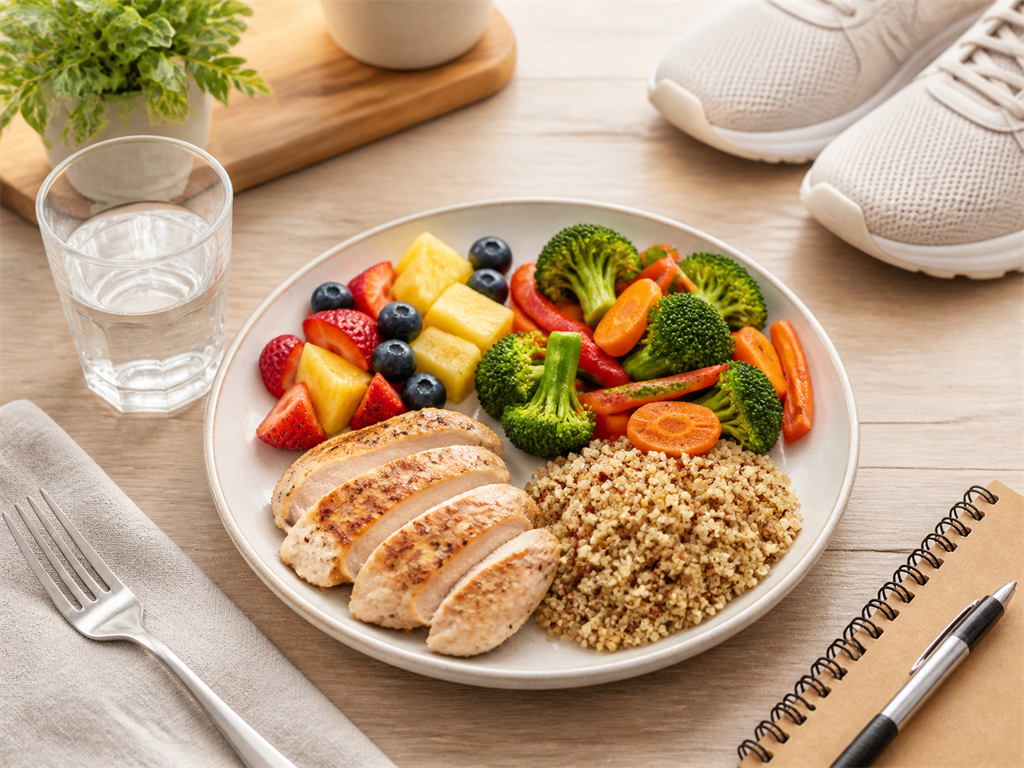
If you are trying to lose weight as a beginner, counting every calorie can feel like starting a part-time job. It can work for some people, but it is not the only way to build better meals. A simpler starting point is learning how to build a plate that keeps you full, gives you steady energy, and helps you repeat healthy choices without making food feel complicated.
This beginner weight loss plate method is not a crash diet, a cleanse, or a promise that one perfect meal will change everything. It is a practical meal-building system you can use at breakfast, lunch, dinner, restaurants, and leftovers. The goal is to make your next meal a little easier to choose.
Quick note: This article is for general education only and is not medical advice. If you have diabetes, a history of disordered eating, are pregnant, take medications affected by food intake, or have a medical condition, talk with a qualified health professional before changing your diet.
Quick Answer: The Beginner Weight Loss Plate Formula
For most beginner-friendly weight loss meals, start with this simple plate:
- Protein: 1 palm-sized serving, such as chicken, eggs, Greek yogurt, fish, lean beef, tofu, beans, lentils, or cottage cheese.
- Vegetables or fruit: 1 to 2 fists, with a focus on colorful, fiber-rich foods.
- Carb: 1 cupped-hand serving of a whole grain or starchy food, such as oats, brown rice, potatoes, beans, fruit, or whole-grain bread.
- Fat: 1 thumb-sized serving, such as olive oil, avocado, nuts, seeds, cheese, or dressing.
- Drink: Water, sparkling water, unsweetened tea, or another low-sugar drink.
You do not have to hit this perfectly every time. Think of it as a direction, not a rulebook.
Why This Works Better Than Chasing a Perfect Diet
The biggest beginner mistake is trying to change everything at once. A person decides Monday will be the day they cut every snack, cook every meal, train hard, drink a gallon of water, and never eat dessert again. By Wednesday, the plan feels impossible, so they quit and assume they failed.
A better plan is repeatable. NIDDK explains that a healthy eating plan you can maintain over time is key for losing weight and keeping it off. That is why this plate method focuses on foods that make meals more filling and easier to repeat: protein, fiber-rich plants, smart portions of carbs, and enough fat for flavor.
This also matches the direction of current federal nutrition guidance, which emphasizes whole, nutrient-dense foods such as protein foods, vegetables, fruits, healthy fats, and whole grains, while limiting highly processed foods and added sugars.
The 2-Minute Plate Check
Before you eat, look at the plate and ask five quick questions:
- Do I have a clear protein source?
- Do I have at least one high-fiber plant food?
- Is my carb serving intentional instead of accidental?
- Did I add flavor without turning the meal into mostly sauce, oil, or sugar?
- Could I repeat this meal again this week without hating my life?
That last question matters. A meal can be technically healthy and still be useless if you will never make it again. The best beginner weight loss meals are simple enough to survive a busy week.
Step 1: Pick Protein First
Protein helps make a meal feel more complete. It also gives your body the building blocks it needs for muscle repair, especially if you are walking more or starting strength training. You do not need an extreme high-protein diet to begin. You just need to stop building meals where protein is an afterthought.
Beginner-friendly protein choices include:
- Eggs or egg whites
- Greek yogurt or cottage cheese
- Chicken, turkey, fish, lean beef, or pork
- Beans, lentils, tofu, tempeh, or edamame
- Protein smoothies made with real food ingredients
If breakfast is usually cereal or a pastry, try adding Greek yogurt, eggs, cottage cheese, or a protein smoothie. If lunch is usually a sandwich and chips, add turkey, tuna, chicken, tofu, beans, or a side of cottage cheese. Small upgrades count.
Step 2: Add Fiber-Rich Plants
Vegetables and fruit add volume, texture, vitamins, minerals, and fiber. That makes the plate look and feel bigger without relying only on higher-calorie foods. The goal is not to eat plain broccoli forever. The goal is to make colorful plant foods normal on your plate.
Easy options include:
- Frozen vegetables you can microwave or roast
- Bagged salad kits with a lighter hand on dressing
- Apples, berries, oranges, bananas, grapes, or melon
- Carrots, cucumbers, peppers, salsa, or slaw
- Beans and lentils, which count as both plant food and protein
If you do not like many vegetables yet, start with the ones you can tolerate and season them well. Salt, pepper, garlic, hot sauce, lemon, herbs, salsa, and a small amount of olive oil can turn “diet food” into real food.
Step 3: Keep Carbs, But Choose Them On Purpose
Many beginners think weight loss means cutting all carbs. That can make meals harder to stick with, especially if you are active, have a physical job, or are trying to build a workout habit. A more balanced approach is to choose the carb portion on purpose.
Good beginner carb choices include oats, potatoes, sweet potatoes, rice, whole-grain bread, fruit, beans, lentils, quinoa, and whole-grain pasta. Start with about one cupped-hand serving at a meal. If you are still hungry, very active, or losing weight too quickly, you may need more. If progress is stalled and snacks are creeping up, you may need to tighten portions or choose more filling carbs.
The point is not “carbs are bad.” The point is “I know what role this food is playing on my plate.”
Step 4: Add Fat for Flavor, Not by Accident
Fat helps food taste good, and that matters. The common issue is not usually the avocado or olive oil itself. It is the accidental extra fat that sneaks in through heavy dressing, fried foods, creamy sauces, large handfuls of nuts, and oversized portions of cheese.
Use a thumb-sized serving as a beginner estimate. That might be a drizzle of olive oil, a small scoop of avocado, a tablespoon of nuts or seeds, or a measured serving of dressing. If a meal is already fatty, such as salmon with avocado or eggs with cheese, you may not need to add much more.
Beginner Weight Loss Plate Examples
Here are simple meals you can copy without needing a food scale.
Breakfast Plate
- Eggs or Greek yogurt
- Berries or an apple
- Oats or whole-grain toast
- A small amount of peanut butter, nuts, or avocado
Lunch Plate
- Chicken, tuna, tofu, turkey, beans, or lean beef
- Big salad, frozen vegetables, slaw, or fruit
- Rice, potato, whole-grain wrap, or beans
- Olive oil dressing, avocado, cheese, or nuts
Dinner Plate
- Fish, chicken, lean meat, tofu, or lentils
- Roasted vegetables or a salad
- Potatoes, rice, quinoa, beans, or whole-grain pasta
- A small portion of sauce, olive oil, butter, or cheese for flavor
For a concrete version of this plate, try our lemon chicken-rice meal-prep bowls: chicken, vegetables, rice and a bright lemon finish. Adjust the portions to your appetite and needs.
Restaurant Plate
- Pick grilled, roasted, baked, or stir-fried protein when possible.
- Choose a side vegetable, salad, fruit, beans, rice, or potato.
- Ask for sauce or dressing on the side if portions are usually heavy.
- Stop when comfortably satisfied, not stuffed.
What To Do If You Are Still Hungry
Hunger is information. It does not automatically mean you did something wrong. If you build a plate and still feel hungry, adjust in this order:
- Add more vegetables, fruit, beans, or lentils.
- Make sure your protein serving is big enough.
- Drink water and give the meal a few minutes to settle.
- Add a little more whole-food carb if you are active or the meal was small.
- Check whether you are under-sleeping, stressed, or skipping meals earlier in the day.
Weight loss should not require feeling miserable every night. If your plan makes you constantly hungry, it may be too aggressive.
A Simple 3-Day Starter Menu
Use this as a flexible starting point, not a rigid meal plan.
Day 1
- Breakfast: Greek yogurt, berries, oats, and a small sprinkle of nuts.
- Lunch: Turkey or tofu wrap with salad, fruit, and water.
- Dinner: Chicken, roasted vegetables, rice, and salsa or a light sauce.
Day 2
- Breakfast: Eggs, whole-grain toast, fruit, and coffee or tea without a lot of added sugar.
- Lunch: Tuna, chicken, beans, or cottage cheese bowl with vegetables and potatoes.
- Dinner: Lean beef, turkey, or lentil chili with a side salad.
Day 3
- Breakfast: Protein smoothie with Greek yogurt or protein powder, fruit, and oats.
- Lunch: Rice bowl with chicken, tofu, beans, vegetables, and avocado.
- Dinner: Fish, potatoes, vegetables, and a small amount of olive oil or butter.
Connect The Plate Method With Walking
Food is one part of the beginner weight loss picture. Movement helps too. NIDDK recommends that healthy adults aim for at least 150 minutes of physical activity each week and muscle-strengthening activities on 2 or more days. If that sounds like a lot right now, start smaller.
A 10-minute walk after one meal is a strong beginner habit. It is easy to understand, does not require special equipment, and can pair naturally with your new meal routine. Once that feels normal, you can build toward longer walks or beginner strength training.
If you want the bigger starting plan, read our beginner weight loss starter guide. You can also browse more simple articles in our Weight Loss Basics hub.
Common Beginner Mistakes To Avoid
- Eating too little protein: A tiny salad may be low in calories, but it may leave you hungry an hour later.
- Removing every carb: You may feel tired, snack more later, or struggle to train.
- Drinking calories without noticing: Sweet coffee drinks, juice, soda, alcohol, and energy drinks can add up fast.
- Making meals too boring: If the food feels like punishment, the plan will not last.
- Trying to be perfect: A good plan repeated beats a perfect plan abandoned.
FAQ: Beginner Weight Loss Plates
Do I have to count calories to lose weight?
No, not everyone has to count calories. Weight loss still depends on energy balance, but some people can create a more reasonable intake by improving food choices, portions, protein, fiber, and consistency first. If progress stalls, tracking for a short period can be useful, but it does not have to be the first step.
Can I eat bread, rice, pasta, or potatoes?
Yes. Use a portion that fits your plate and your goals. Whole grains, potatoes, beans, lentils, and fruit can all fit into beginner weight loss meals. The issue is usually portion size, low fiber, or highly processed add-ons, not the existence of carbs.
What if I do not like vegetables?
Start with fruit, beans, salsa, soups, smoothies, or vegetables prepared in ways you actually like. Roasting, seasoning, grilling, and adding a small amount of sauce can help. You do not need to become a raw kale person overnight.
How fast should weight loss happen?
It depends on your starting point, health, activity level, and consistency. Faster is not always better. A plan that helps you lose slowly while building habits is often more useful than a plan that burns you out in two weeks.
Bottom Line
The best beginner weight loss meal is not the strictest meal. It is the meal you can repeat. Build around protein, add colorful fiber-rich plants, choose carbs on purpose, use fat for flavor, and keep the whole thing simple enough to do again tomorrow.
If you want one action step today, make your next meal using the 2-minute plate check. Do that for a week before worrying about perfect tracking, complicated recipes, or advanced supplement stacks.
Sources And Further Reading
- NIDDK: Eating and Physical Activity to Lose or Maintain Weight
- NIDDK: Tips to Help You Get Active
- Dietary Guidelines for Americans, 2025-2030
Leave a Reply